Your Guide to Hosting a Wine Tasting Event at Home


Setting the Scene
Hosting a wine tasting event at home can be a delightful way to explore new flavors and share an elegant experience with friends. With a little planning, you can create an atmosphere that is both educational and enjoyable. Whether you’re a wine connoisseur or a curious novice, this guide will help you host a memorable event.
Begin by selecting a theme for your wine tasting. This could be based on a specific region, grape variety, or even a vintage year. Having a theme not only adds structure to your event but also makes it easier to choose which wines to include.
Choosing the Wines
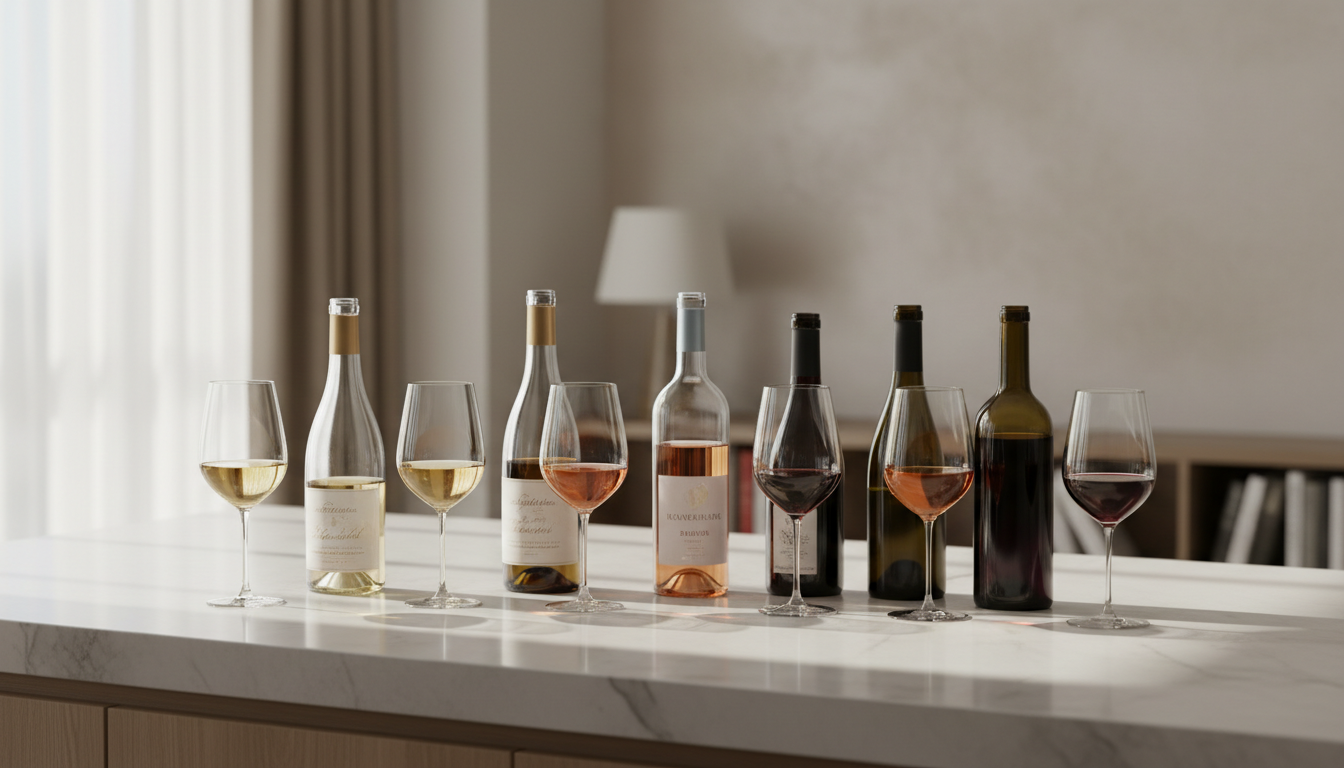
Once you have a theme, it’s time to select the wines. Aim for a variety that will offer diverse tasting notes and aromas. Typically, 4-6 different wines are ideal for a tasting event. If your theme is broad, consider including a mix of reds, whites, and perhaps a rosé or sparkling wine for variety.
Ensure you have enough wine for each guest. A standard tasting pour is about 2 ounces, so one bottle should cover approximately 12 guests. If you’re hosting a larger group, plan accordingly.
Glassware and Accessories
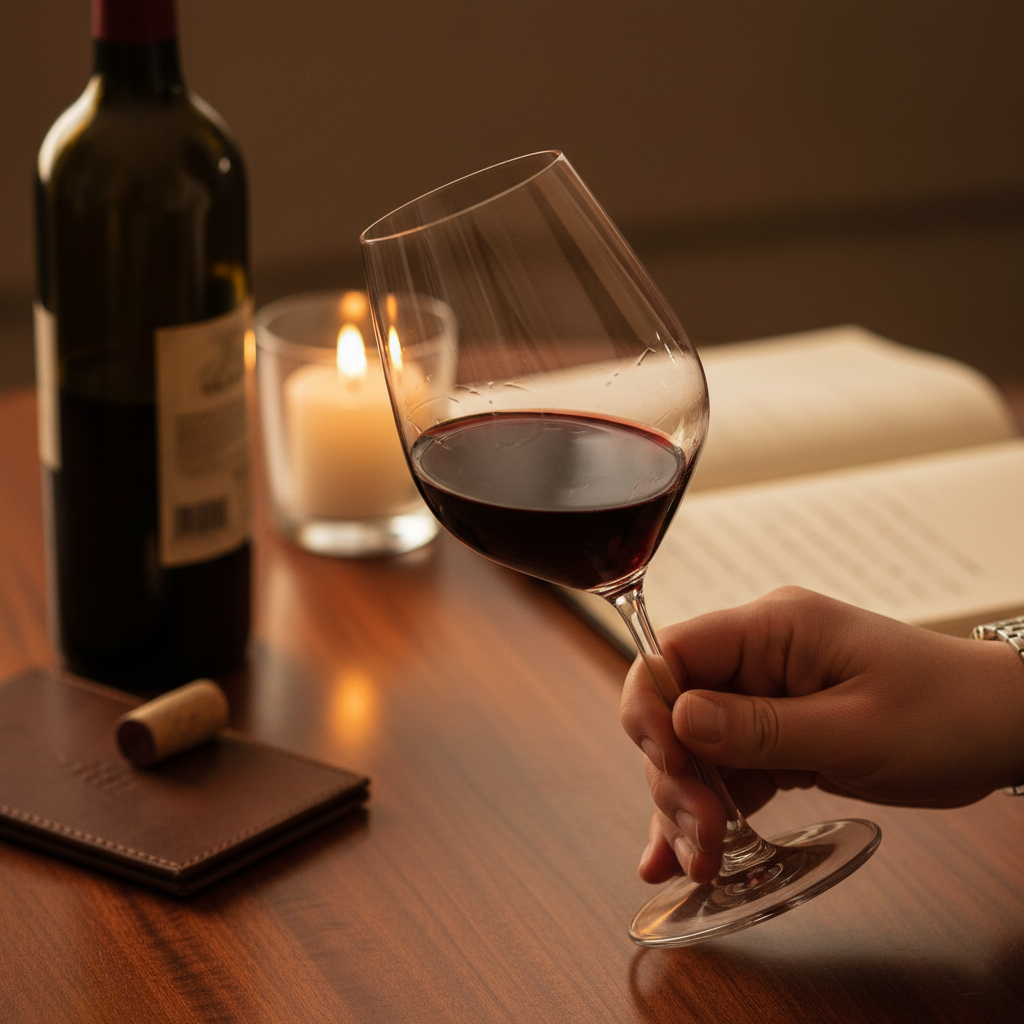
Proper glassware enhances the tasting experience. Use clear, stemmed glasses to allow guests to see the wine’s color and swirl it without warming it with their hands. If possible, provide separate glasses for each wine to prevent flavors from mixing.
Preparing the Palate
Before diving into the tasting, it’s essential to cleanse the palate. Offer guests plain crackers or bread to neutralize any lingering flavors from previous wines. This ensures each wine can be appreciated fully.
In addition to palate cleansers, consider providing a selection of cheeses, fruits, and nuts. These can complement the wines and add to the sensory experience, but keep them simple to avoid overpowering the wines.
Guiding the Tasting
Guide your guests through the tasting process by encouraging them to observe the wine's appearance, swirl and sniff to note the aroma, and finally, taste and savor the flavors. Discussing each wine's characteristics can enhance the experience and provide a learning opportunity for everyone involved.

Creating the Atmosphere
Setting the right mood is crucial for a successful wine tasting. Soft lighting, gentle background music, and a comfortable seating arrangement can make your guests feel relaxed and engaged. Consider using table decorations that complement your theme, such as maps of wine regions or elegant floral arrangements.
Provide tasting notes or scorecards for guests to jot down their impressions. This not only engages them but also helps them remember their favorite wines from the evening.
Enjoying the Experience
Remember, the goal of a wine tasting event is to have fun and enjoy the company of friends. Encourage open conversation and laughter as you explore the world of wine together. With thoughtful planning and attention to detail, your wine tasting event will be a delightful success.