Understanding the Terroir of Domaine Esprit: A Winemaker’s Insight


The Essence of Terroir
Understanding the terroir of a vineyard is akin to decoding the soul of its wines. At Domaine Esprit, terroir is not just a concept—it's the foundation of winemaking philosophy. The term "terroir" encompasses the unique combination of soil, climate, and topography that influences the growth of the vines and the characteristics of the grapes.
Each element of terroir contributes to the distinct personality of the wine. The soil offers nutrients and minerals, the climate provides the right balance of sunlight and rain, and the topography affects drainage and sun exposure. Together, these factors create the unique flavor profiles that Domaine Esprit is celebrated for.
Soil Composition
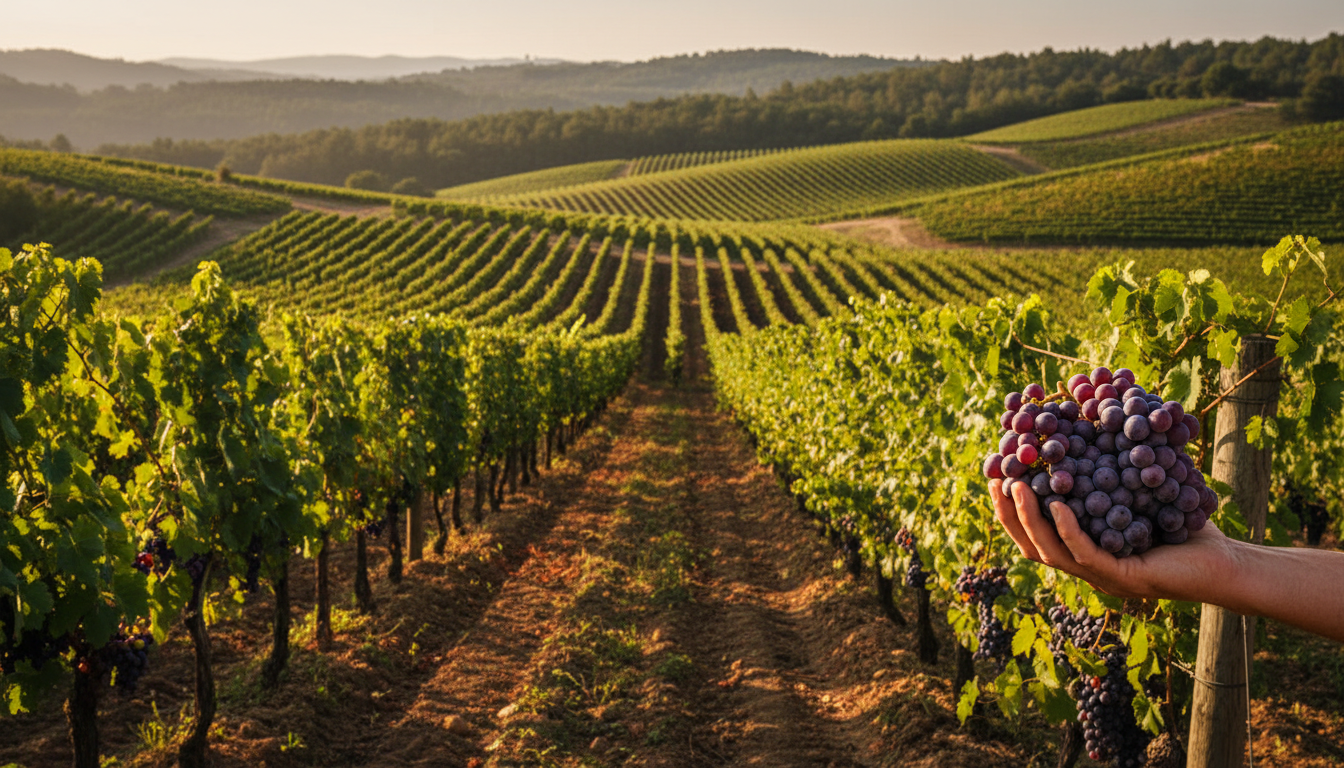
The soil at Domaine Esprit is a rich tapestry of history and geology. Composed mainly of limestone and clay, it provides the perfect balance of drainage and moisture retention. This composition allows the roots to penetrate deep, extracting essential minerals that contribute to the wine's complexity.
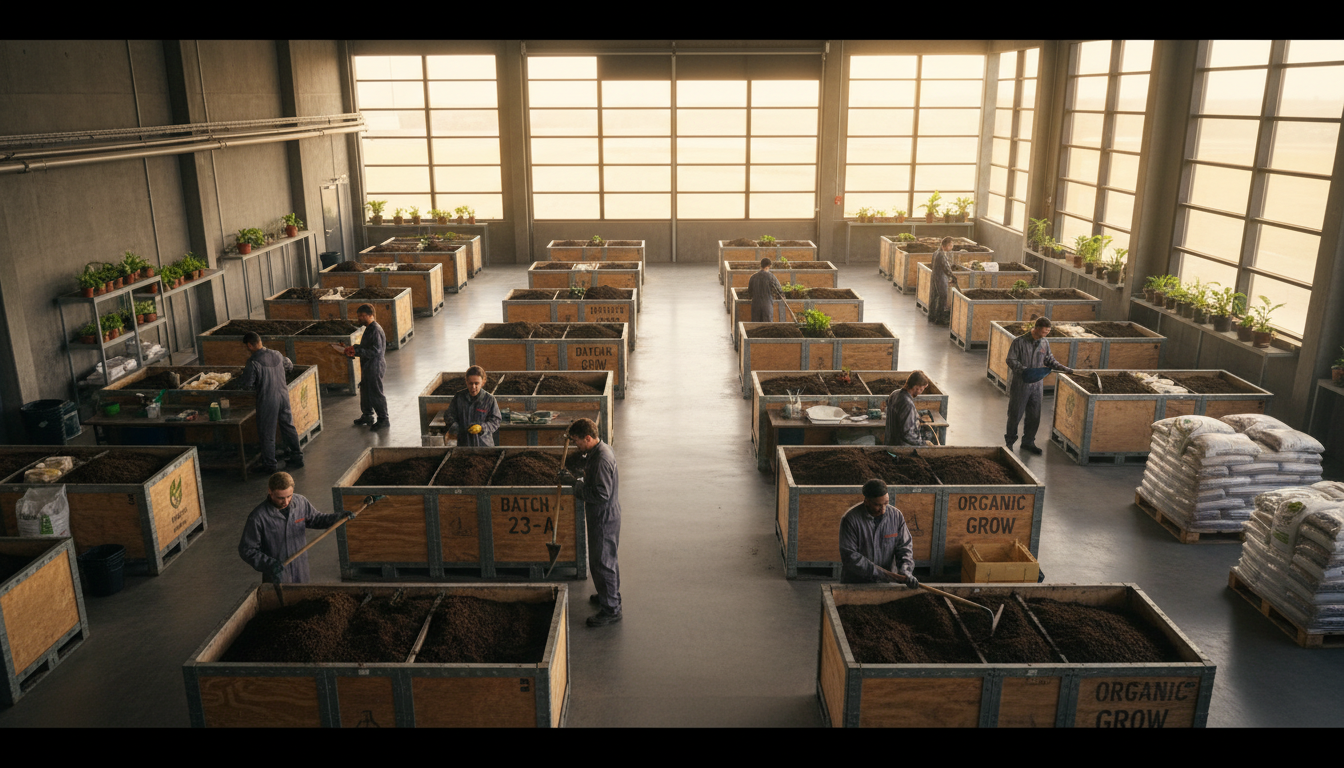
Winemakers at Domaine Esprit pay close attention to soil health, employing sustainable practices to maintain its vitality. Cover crops are used to prevent erosion, and organic materials are added to enhance fertility, ensuring that the soil remains a vibrant component of the terroir.
Climate Influence
The climate of the region plays a pivotal role in shaping the wines of Domaine Esprit. With a blend of sunny days and cool nights, the vines experience optimal growing conditions. This climate balance allows grapes to develop a perfect equilibrium of sugars and acids, essential for producing high-quality wines.
Seasonal variations also add complexity to the wines. A slightly cooler year might yield wines with more acidity, while a warmer season can enhance fruitiness. Understanding these nuances helps the winemakers to adapt their techniques, ensuring each vintage is a true reflection of its year.

Topographical Impact
The rolling hills and varied elevations of Domaine Esprit's vineyards contribute significantly to its terroir. The slopes provide excellent drainage, preventing water from pooling around the roots, which can lead to disease. Additionally, the orientation of the slopes affects sun exposure, allowing certain grape varieties to thrive in specific areas.
These topographical features create microclimates within the vineyard, offering winemakers the opportunity to experiment with different grape varieties and winemaking techniques. This diversity is key to the complexity and depth of Domaine Esprit wines.
The Winemaker’s Role
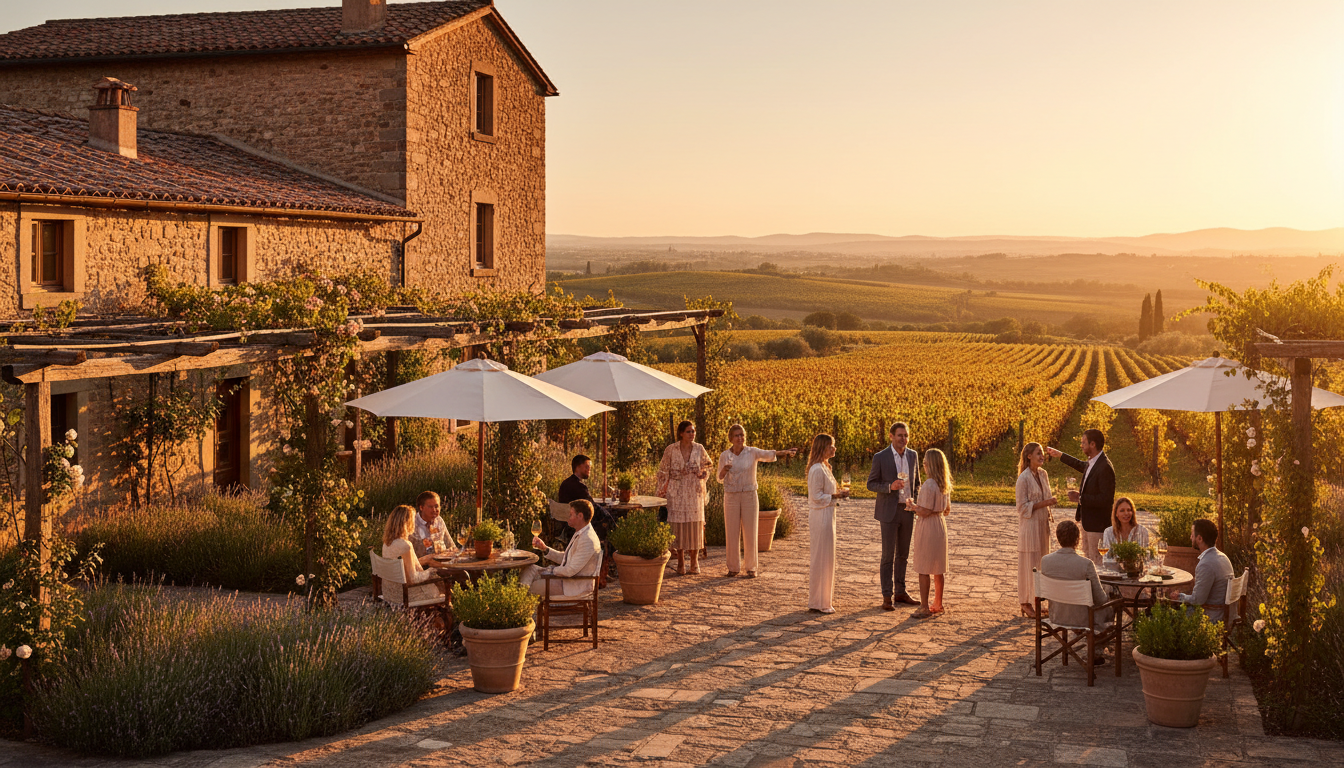
While terroir provides the foundation, the winemaker’s insight transforms potential into reality. At Domaine Esprit, winemakers are deeply connected to the land, spending countless hours in the vineyards, observing and responding to the needs of the vines.
They utilize their expertise to make crucial decisions about pruning, harvesting, and fermentation, ensuring that each bottle reflects the unique character of its terroir. This dedication to the land and its expression in the wine is what sets Domaine Esprit apart.
In conclusion, understanding the terroir of Domaine Esprit offers a window into the artistry of winemaking. From the soil to the sun, each element plays its part in crafting wines that are not only a delight to the senses but also a testament to the land from which they come.