Sustainable Vineyards in California: How Domaine Esprit is Leading the Way


Introduction to Sustainable Vineyards
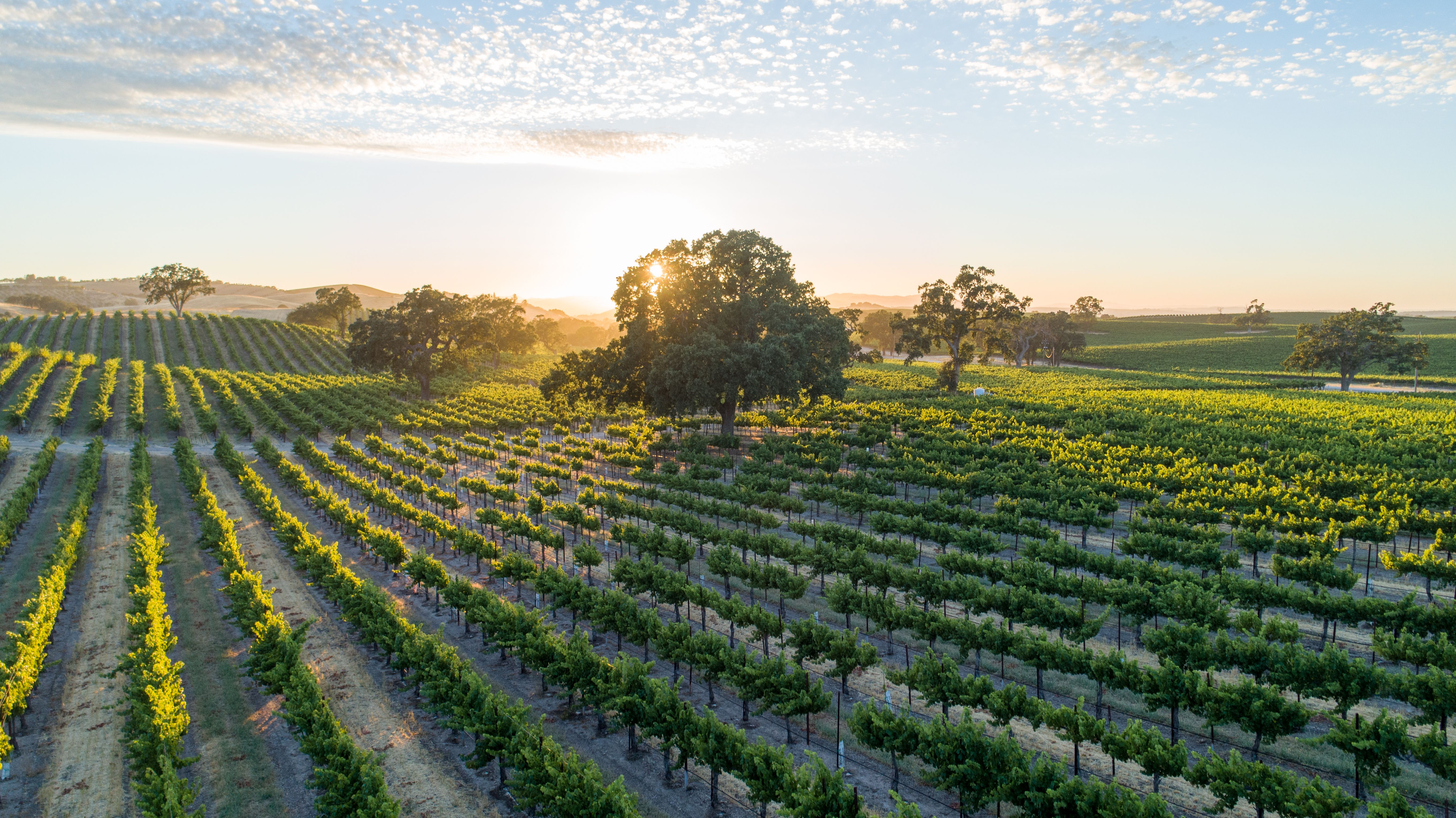
In the lush landscapes of California, vineyards are not just about producing exquisite wines; they are also about preserving the environment. Among the many vineyards in this region, Domaine Esprit stands out for its commitment to sustainability. This vineyard is a shining example of how the wine industry can lead the way in ecological responsibility.
The Principles of Sustainability
Sustainability in vineyards involves a holistic approach that balances environmental, economic, and social factors. Domaine Esprit has embraced these principles to ensure that their practices not only benefit the ecosystem but also support local communities. This approach ensures that the vineyard thrives while maintaining the health of the land for future generations.
Organic Farming Practices
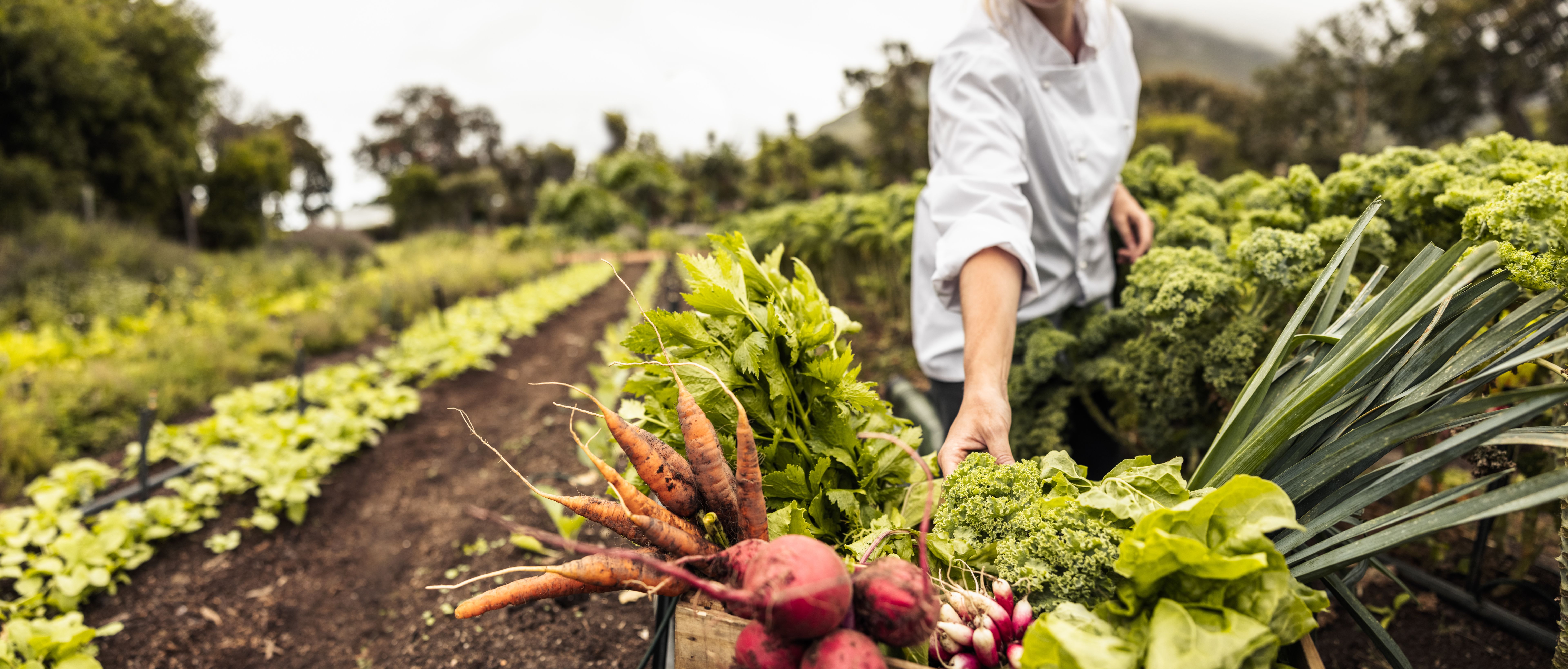
One of the key aspects of Domaine Esprit's sustainable approach is their commitment to organic farming. By avoiding synthetic chemicals and pesticides, they preserve the natural biodiversity of the vineyard. This not only enhances the soil quality but also results in healthier vines and better-quality grapes.
Water Conservation Techniques
Water is a precious resource, especially in California. Domaine Esprit employs innovative water conservation techniques, such as drip irrigation and rainwater harvesting, to minimize water usage. These methods ensure that every drop is used efficiently, reducing the vineyard's environmental footprint.
Renewable Energy Initiatives
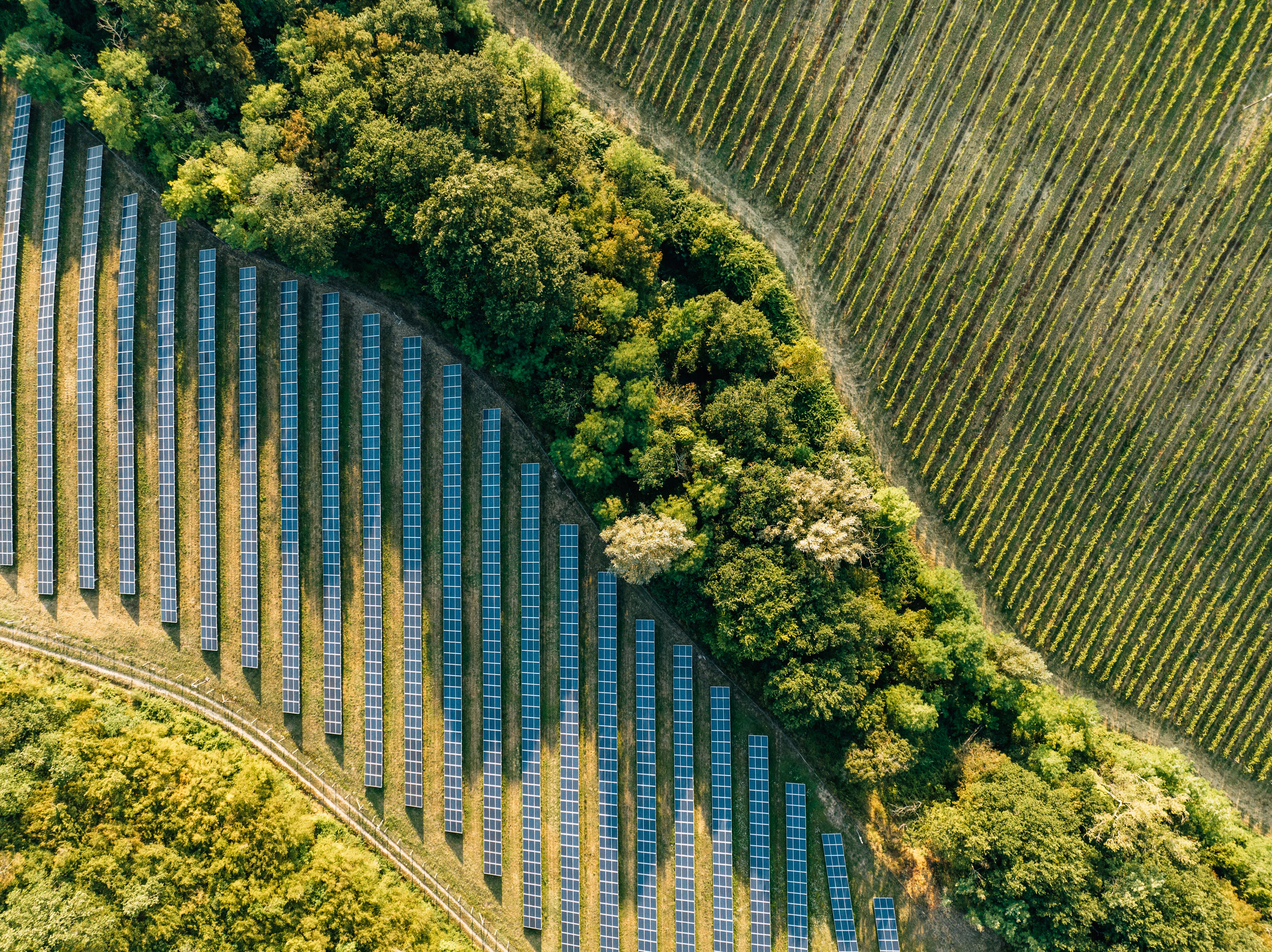
Another cornerstone of Domaine Esprit's sustainability efforts is their use of renewable energy. The vineyard has invested in solar panels to power their operations, significantly reducing their reliance on fossil fuels. This shift not only cuts down on greenhouse gas emissions but also reduces operational costs.
Community Engagement and Education
Domaine Esprit believes in the power of community and education. They regularly engage with local communities through workshops and tours that educate people about sustainable practices. By sharing their knowledge, they inspire others to adopt more eco-friendly methods in their own operations.
Conclusion
Domaine Esprit is a leader in sustainable winemaking, setting a high standard for others in the industry. Their dedication to organic farming, water conservation, renewable energy, and community involvement not only benefits the environment but also enhances the quality of their wines. As more vineyards follow their lead, the future of winemaking looks both promising and sustainable.