Sustainable Vineyards in California: A Guide to Eco-Friendly Winemaking


Introduction to Sustainable Vineyards
California is renowned for its diverse and vibrant wine industry. As the world becomes more environmentally conscious, many vineyards in the Golden State are embracing sustainable practices. These eco-friendly methods not only contribute to the health of the planet but also enhance the quality of the wine produced.
What Makes a Vineyard Sustainable?
Sustainable vineyards employ a variety of practices aimed at reducing their environmental impact. This includes water conservation, soil health management, and the use of renewable energy sources. By focusing on long-term ecological balance, these vineyards ensure that their land remains fertile and productive for future generations.
Water Conservation Techniques
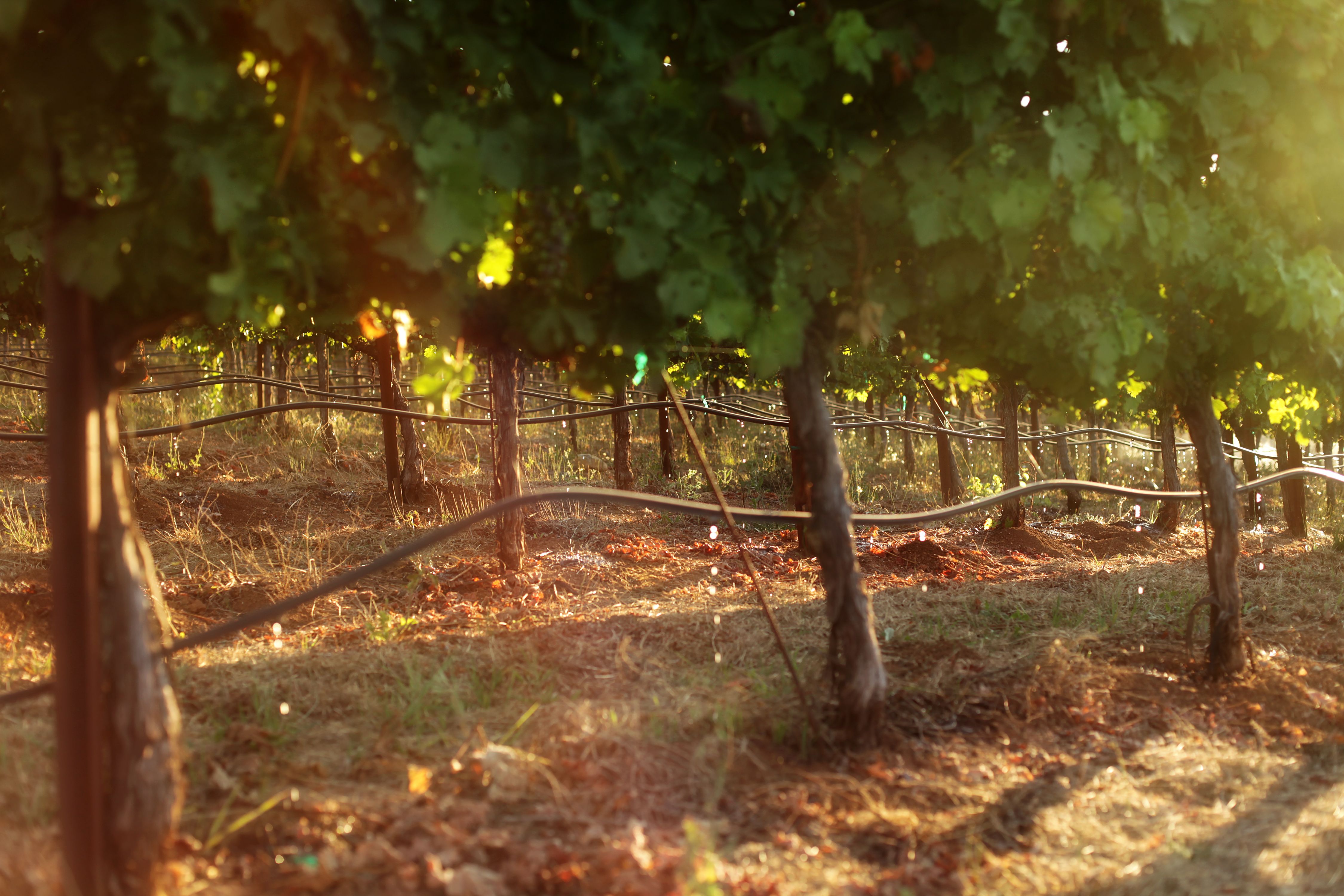
Given California's climate, efficient water use is crucial. Many vineyards implement drip irrigation systems, which deliver water directly to the plant roots, minimizing waste. Additionally, capturing and reusing rainwater helps reduce dependency on external water sources.
Soil Health and Biodiversity
Maintaining healthy soil is a cornerstone of sustainable winemaking. Practices such as cover cropping and composting improve soil fertility and structure. Encouraging biodiversity by planting native flora and allowing beneficial insects to thrive also contributes to a balanced ecosystem.
Organic and Biodynamic Practices
Some vineyards go a step further by adopting organic and biodynamic farming methods. These practices avoid synthetic chemicals, relying instead on natural solutions for pest and disease control. Biodynamic farming aligns agricultural practices with lunar cycles, aiming to create a harmonious environment.
The Role of Renewable Energy
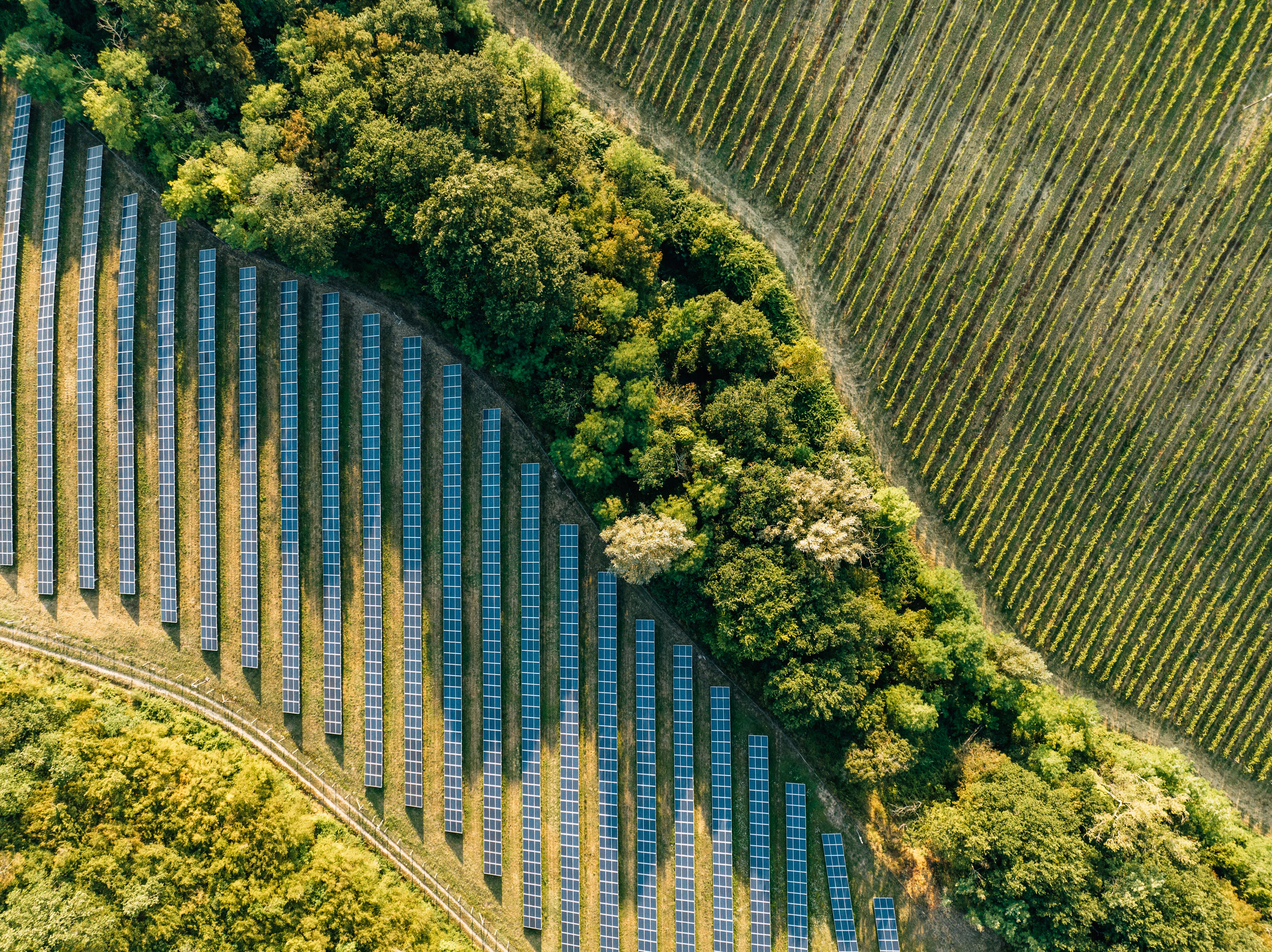
Solar panels and wind turbines are increasingly common sights at sustainable vineyards. By harnessing renewable energy, these wineries significantly reduce their carbon footprint. This shift not only supports environmental goals but also cuts operational costs in the long run.
Community and Economic Impact
Sustainable vineyards often engage with their local communities, offering educational tours and workshops. This fosters a greater appreciation for eco-friendly practices and supports local economies by creating jobs and promoting tourism.

The Future of Eco-Friendly Winemaking
As consumer demand for environmentally responsible products grows, more vineyards are expected to adopt sustainable practices. This trend promises not only to preserve California's natural beauty but also to elevate the state's wine industry on the global stage.
In conclusion, sustainable vineyards in California are paving the way for a greener, more responsible approach to winemaking. By prioritizing the environment, these vineyards are ensuring that future generations can enjoy the fruits of their labor.