Expert Tips for Hosting a Wine Tasting at Home


Setting the Scene
Hosting a wine tasting at home is a delightful way to explore different flavors and learn more about wine varieties. Start by setting the right atmosphere. Choose a room with good lighting and a comfortable seating arrangement. A wooden table or bar cart can add a touch of elegance. Consider playing some soft background music to enhance the experience.
Selecting the Wines
When it comes to choosing wines, variety is key. Select a range of wines that include reds, whites, and perhaps a rosé or sparkling option. Aim for 5-7 different bottles to ensure a comprehensive tasting experience. You can choose wines from a specific region or explore various global offerings.
Consider the Order
Order matters in wine tasting. Typically, you start with lighter wines and progress to heavier ones. A common sequence is: sparkling, white, rosé, red, and dessert wines. This order helps prevent overpowering lighter wines with the bold flavors of reds.
Preparing the Palate
Provide guests with water and plain crackers or bread to cleanse their palates between tastings. This will help them fully appreciate each wine's unique flavor profile. It's also a good idea to have a small notepad or tasting sheet for notes.
Pairing with Food
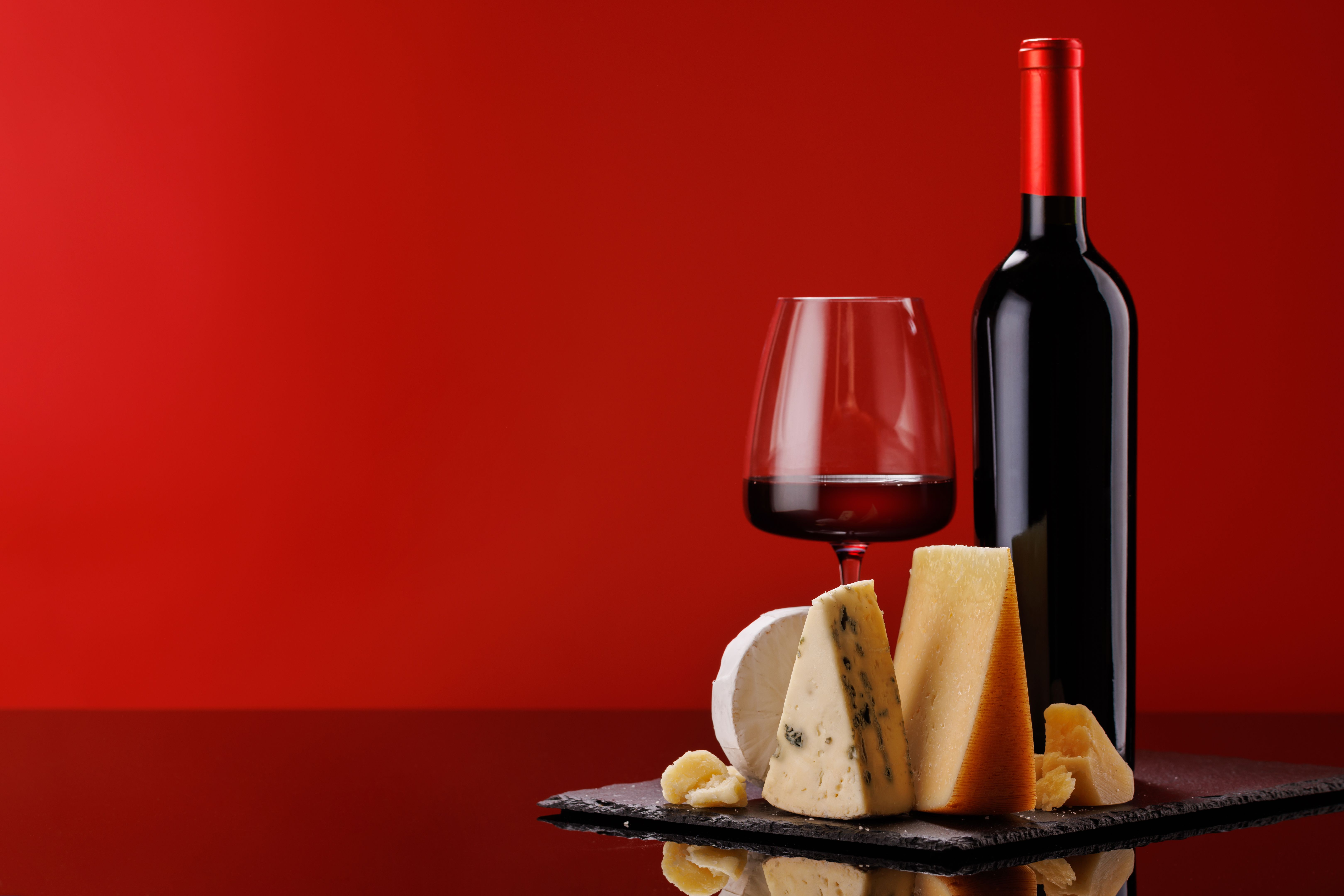
Complement your wines with a selection of cheeses, fruits, and charcuterie. Choose foods that enhance the wines without overshadowing them. For example, pair a bold red with aged cheddar or a crisp white with fresh goat cheese.
Guiding the Tasting
Guide your guests through the tasting with a brief introduction to each wine. Share information about the winery, grape variety, and any unique production methods. Encourage guests to observe the wine's color, aroma, and taste while taking notes.
The Tasting Technique
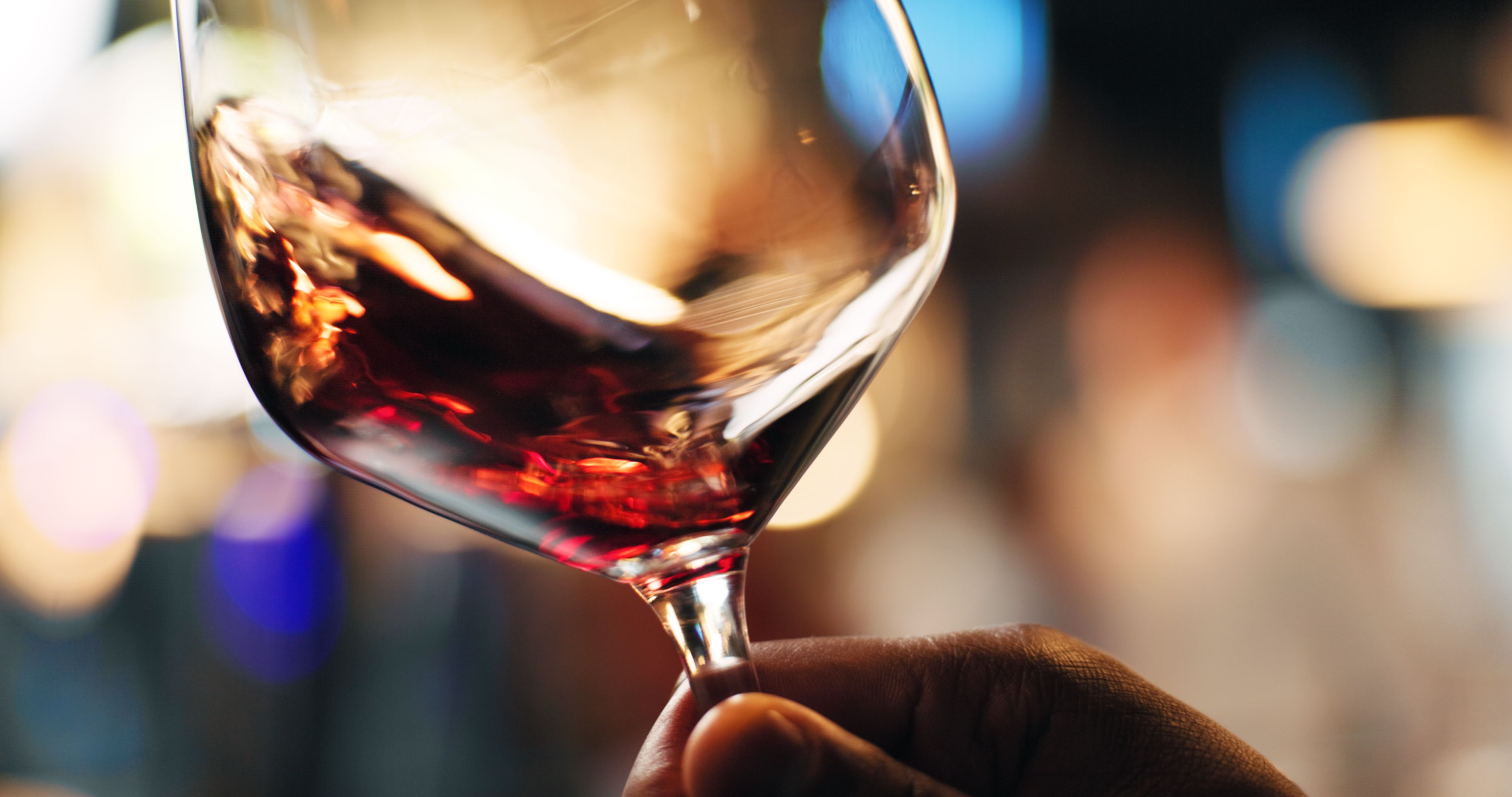
Teach your guests the proper tasting technique: swirl, sniff, sip, and savor. Swirling aerates the wine, releasing its aroma. Sniffing helps identify distinct scents, while sipping allows for a full taste experience. Encourage guests to savor the wine and share their impressions.

Creating a Memorable Experience
Enhance the tasting experience by incorporating engaging activities. Consider organizing a blind tasting to challenge guests' palates or holding a friendly competition to guess the wine region or variety. These activities can add an element of fun and learning.
Encouraging Interaction
Encourage guests to discuss their thoughts and preferences. Wine tasting is as much about sharing and conversation as it is about the wine itself. This interaction can lead to a richer understanding and appreciation of the wines.