Comparing French Wines: What Sets Them Apart?


The Diversity of French Terroirs
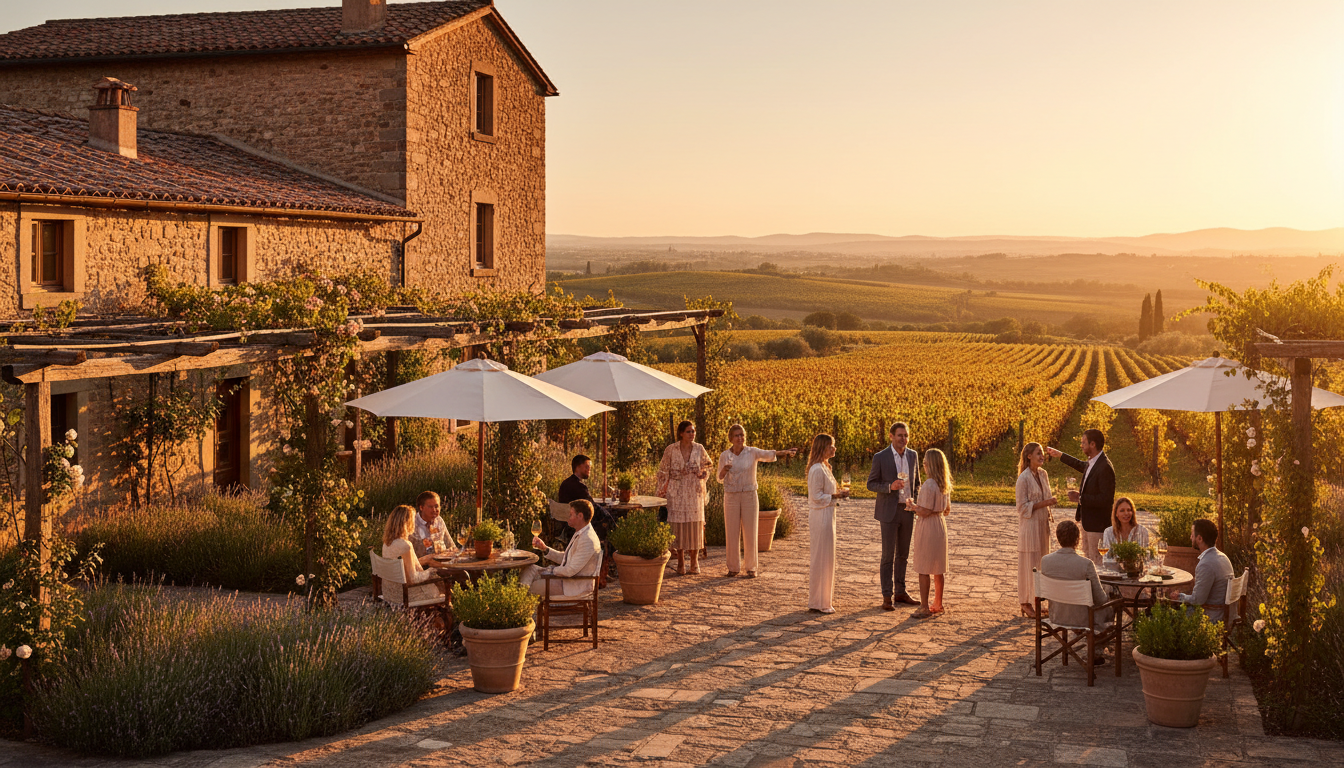
France is renowned for its diverse wine regions, each offering unique characteristics that set their wines apart. This diversity is largely due to the varied terroirs found throughout the country. Terroir refers to the combination of soil, climate, and geography that gives a wine its distinctive flavor profile. From the chalky soils of Champagne to the clay-limestone of Bordeaux, each region imparts its own signature touch to the grapes grown there.
One of the most famous French wine regions is Bordeaux, known for its rich reds. The region's proximity to the Atlantic Ocean provides a maritime climate, which results in wines with balanced acidity and complex flavors. In contrast, the Rhône Valley benefits from a Mediterranean climate, producing robust reds and aromatic whites.
Grape Varieties and Winemaking Traditions
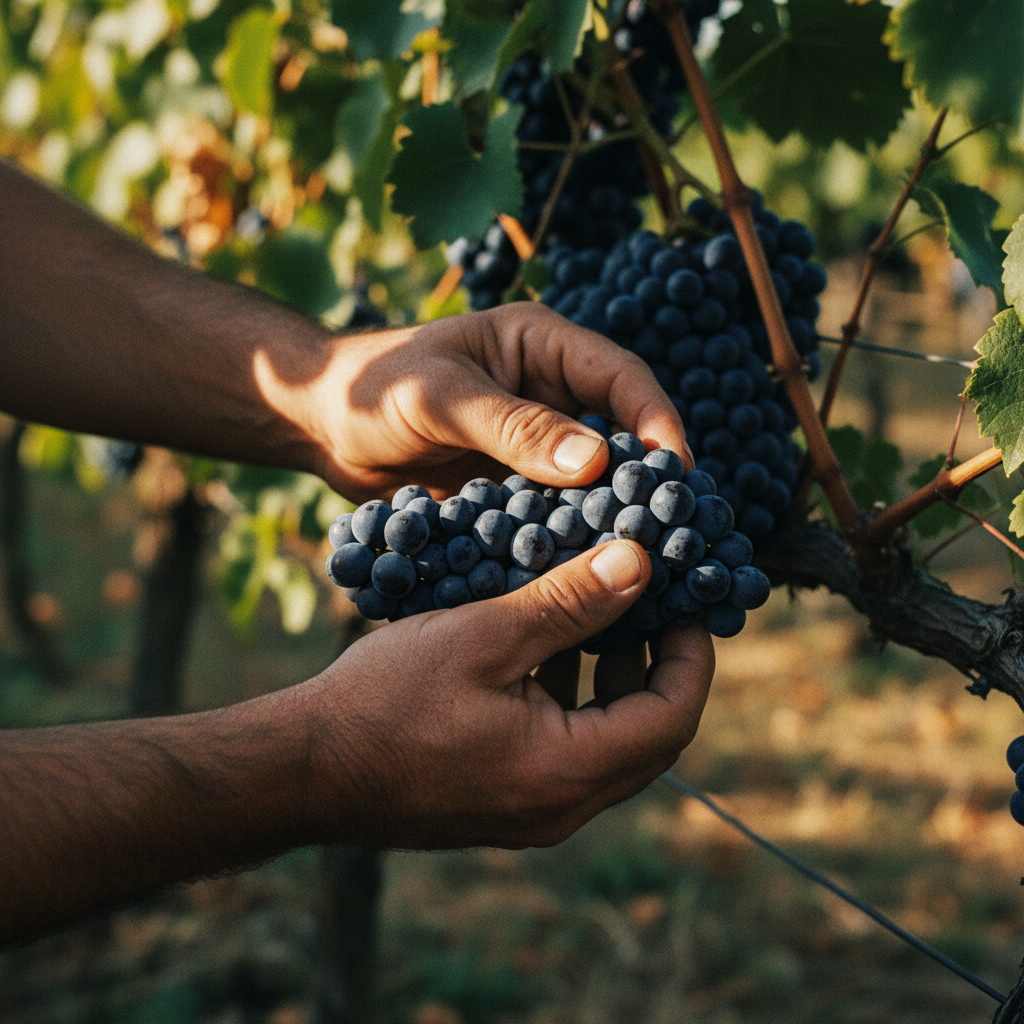
Another factor that distinguishes French wines is the wide array of grape varieties used. Bordeaux is famous for its blends of Cabernet Sauvignon and Merlot, while Burgundy is celebrated for its Pinot Noir and Chardonnay. Each grape variety thrives in specific regions, contributing to the wine's unique character.
Winemaking traditions also play a crucial role. In Champagne, the method of secondary fermentation in the bottle, known as the Méthode Champenoise, creates the region’s signature sparkling wines. Meanwhile, in the Loire Valley, producers focus on highlighting the natural fruit flavors of the grapes, resulting in fresh and vibrant wines.
Classification Systems and Appellations
French wines are often classified using a system of appellations, which are legally defined and regulated areas. The Appellation d'Origine Contrôlée (AOC) system ensures that wines meet strict criteria regarding grape varieties, production methods, and geographic origin. This system provides consumers with a guarantee of quality and authenticity.
The classification can vary significantly between regions. For example, Bordeaux wines are classified into Crus, with the top tier being the prestigious Grand Cru Classé. In Burgundy, wines are classified by vineyard quality, with Grand Cru vineyards representing the pinnacle of excellence.
The Influence of Climate
Climate significantly influences the characteristics of French wines. In cooler regions like Alsace, the climate allows for the production of crisp, aromatic white wines such as Riesling and Gewürztraminer. Meanwhile, the warmer climate of the Languedoc-Roussillon region produces full-bodied reds with ripe fruit flavors.
Each region's climate not only affects the types of grapes that can be grown but also how they are cultivated and harvested. This results in wines that are uniquely expressive of their environment, offering a diverse range of tasting experiences.
Exploring French Wine Regions
For wine enthusiasts, exploring the different wine regions of France can be a rewarding journey. Some regions, like Burgundy and Bordeaux, are known for their prestigious wines, while others, such as the Jura and Savoie, offer hidden gems waiting to be discovered.
Whether you're a fan of sparkling wines from Champagne, rich reds from Bordeaux, or aromatic whites from Alsace, France's wine regions offer something for every palate. The diversity of French wines is a testament to the country's rich viticultural heritage and dedication to producing high-quality wines.